Your story doesn’t end
with survival.

You made it home. But no one told you home might feel different.

Fatigue. Brain fog. Hair loss. Dental changes. Pain. Anxiety. Sleep changes. Things you may have never thought to connect back to sepsis.

For survivors, caregivers, and the people helping them find their way forward.
Outline of a purple scooter with a rectangular front and handlebar on the right side.

Wait.. That can happen
after sepsis too?

EXHAUSTION

Outline of a human head with a tangled line inside representing confusion or mental chaos.

ANXIETY

Outline of a human head with a brain inside and a question mark, indicating mental or cognitive inquiry.

BRAIN FOG

Minimalist line drawing of a person clutching their lower back, indicating pain or discomfort.

JOINT PAIN

Outline of a tooth with a lightning bolt inside a circle and radiating lines, indicating dental pain or nerve issue.

DENTAL CHANGES

Stylized illustration of a human digestive system with red glow, showing the stomach, intestines, and related organs.

DIGESTION ISSUES

Minimalist outline of a woman's face in profile with flowing hair, drawn with dark purple lines on a black background.

HAIR LOSS

Outline of a tongue sticking out with lips and a no-cigarette sign over a cigarette.

CHANGES IN TASTE

A stylized clock with a crescent moon and three Z's indicating sleep or falling asleep.

SLEEP CHANGES

Outline illustration of human lungs with a trachea in the center, highlighted with lines indicating airflow, and radiating lines to signify breath or respiration.

BREATHLESSNESS

If you've been wondering whether the changes you're experiencing could connect back to sepsis, you're not the only one asking.

YOU SURVIVED.
YOU WENT HOME.
NOW WHAT?


For too many survivors, discharge comes with very little guidance for what happens after sepsis.

Zero Instructions is a place to ask the questions you didn't know you'd need to ask learn from other survivors, find resources, and feel less alone in what comes next.
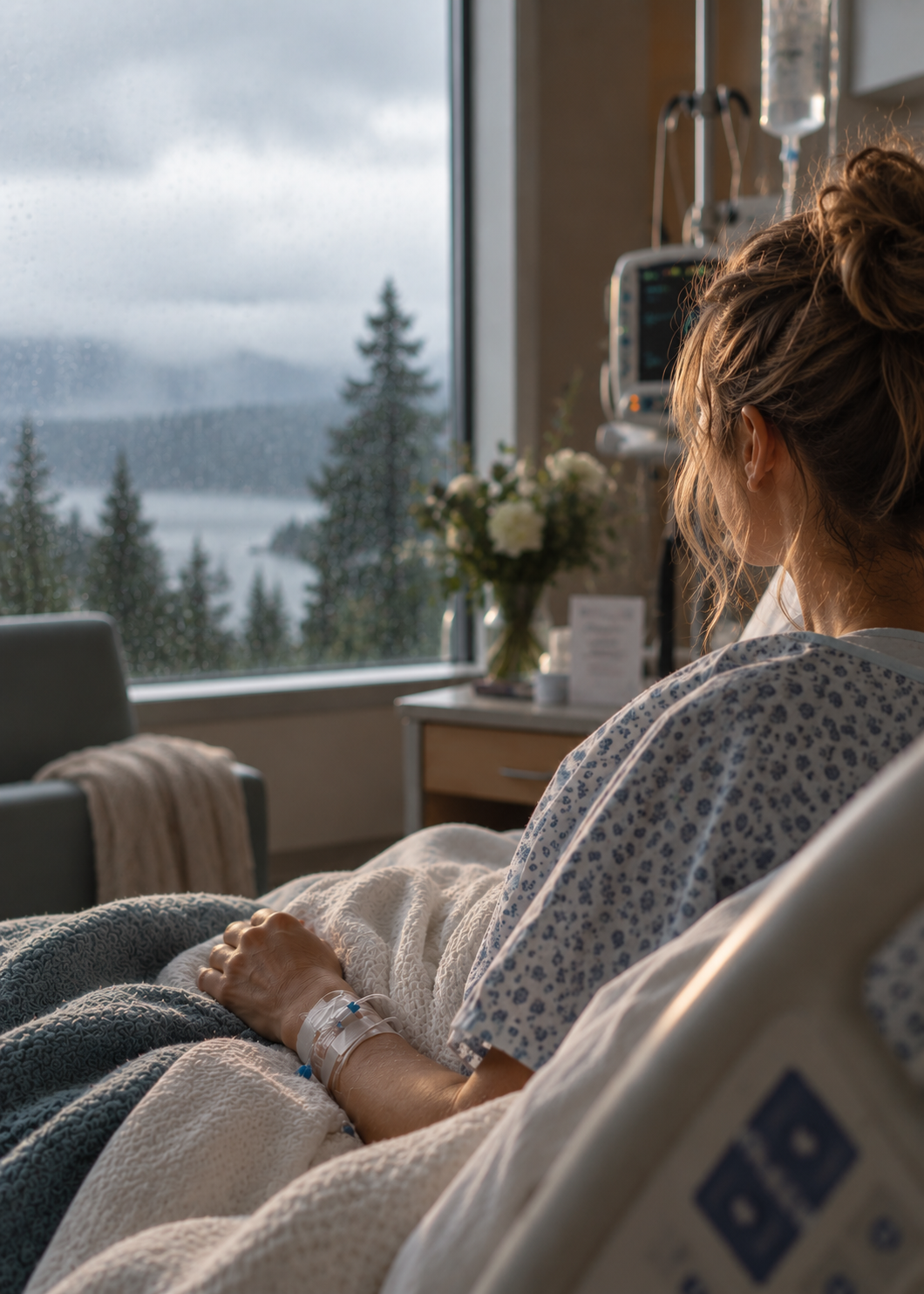
A patient in a hospital bed looking out a window at a rainy, mountainous landscape with tall trees.

I survived sepsis.

My body feels different. I have questions. I want to understand what happened and what comes next.
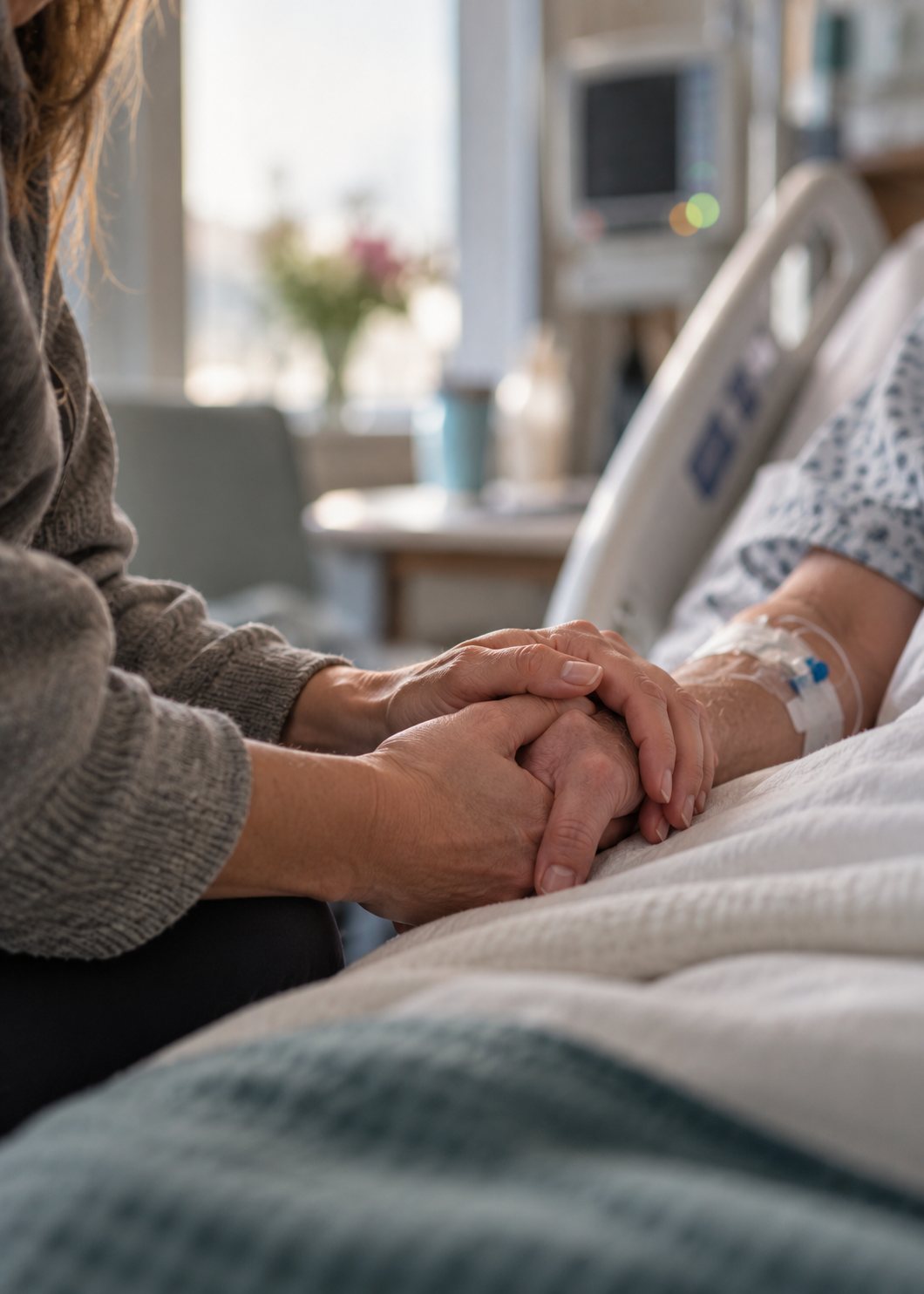
Person holding a patient’s hand in a hospital room, with the patient lying in a bed and wearing a hospital gown.

I’m trying to understand what they’re experiencing and how to support them without having all the answers.

Someone I love survived sepsis.

REAL PEOPLE. REAL STORIES.

You are not the only one saying, “Why am I still not okay?”

Read stories from survivors who understand because they lived it too.
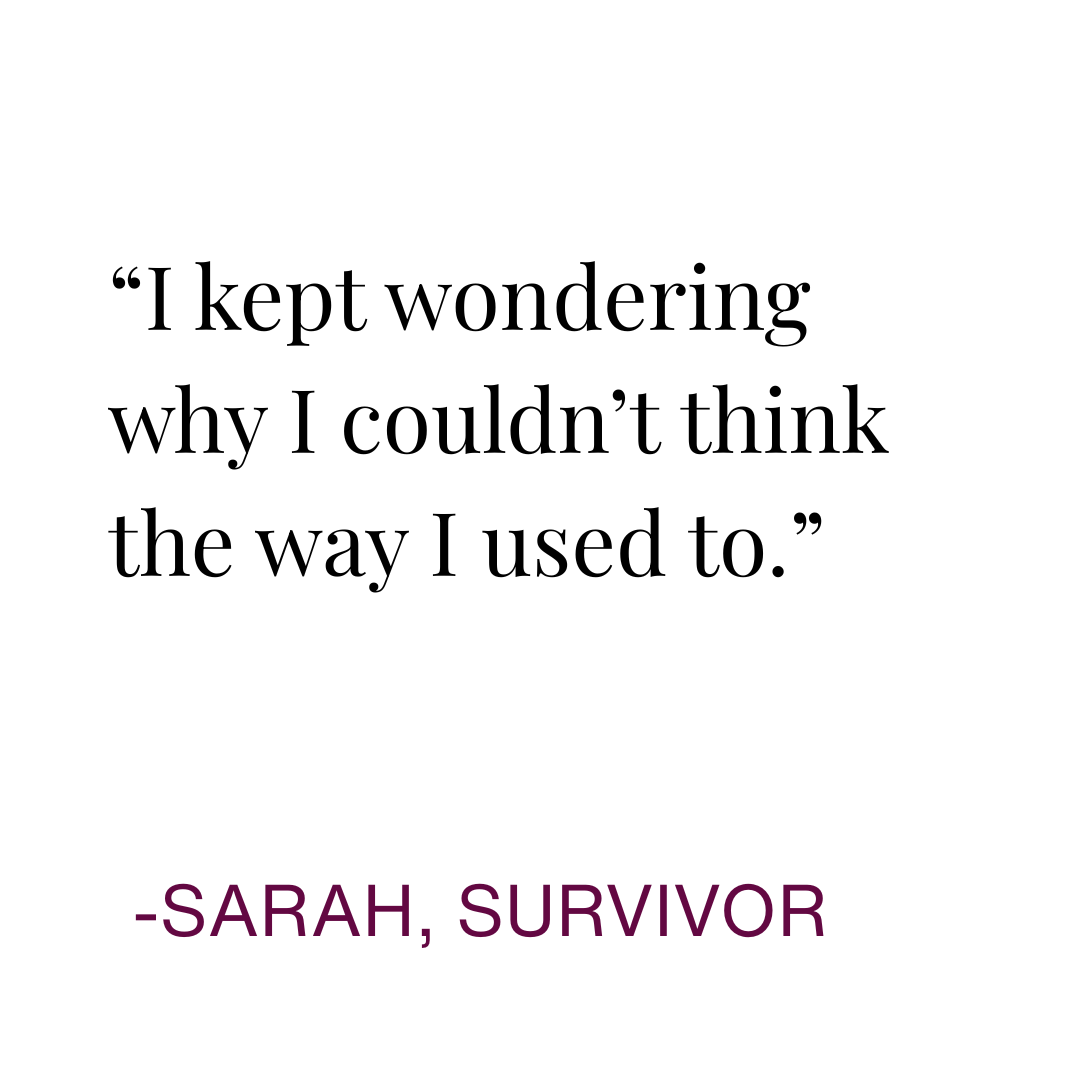
A quote by Sarah, Survivor, stating, 'I kept wondering why I couldn't think the way I used to.'
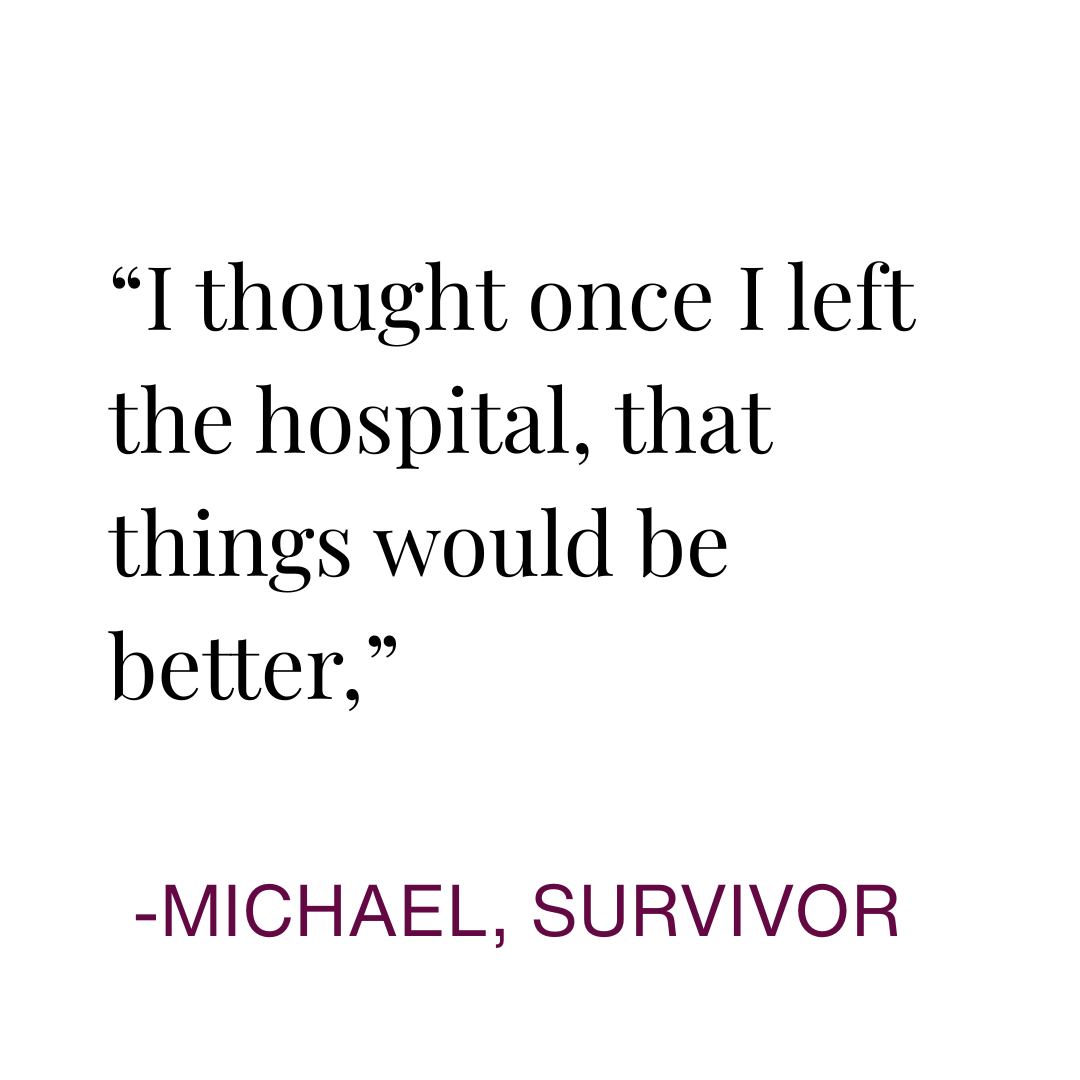
Inspirational quote about hospital experiences by Michael, survivor.
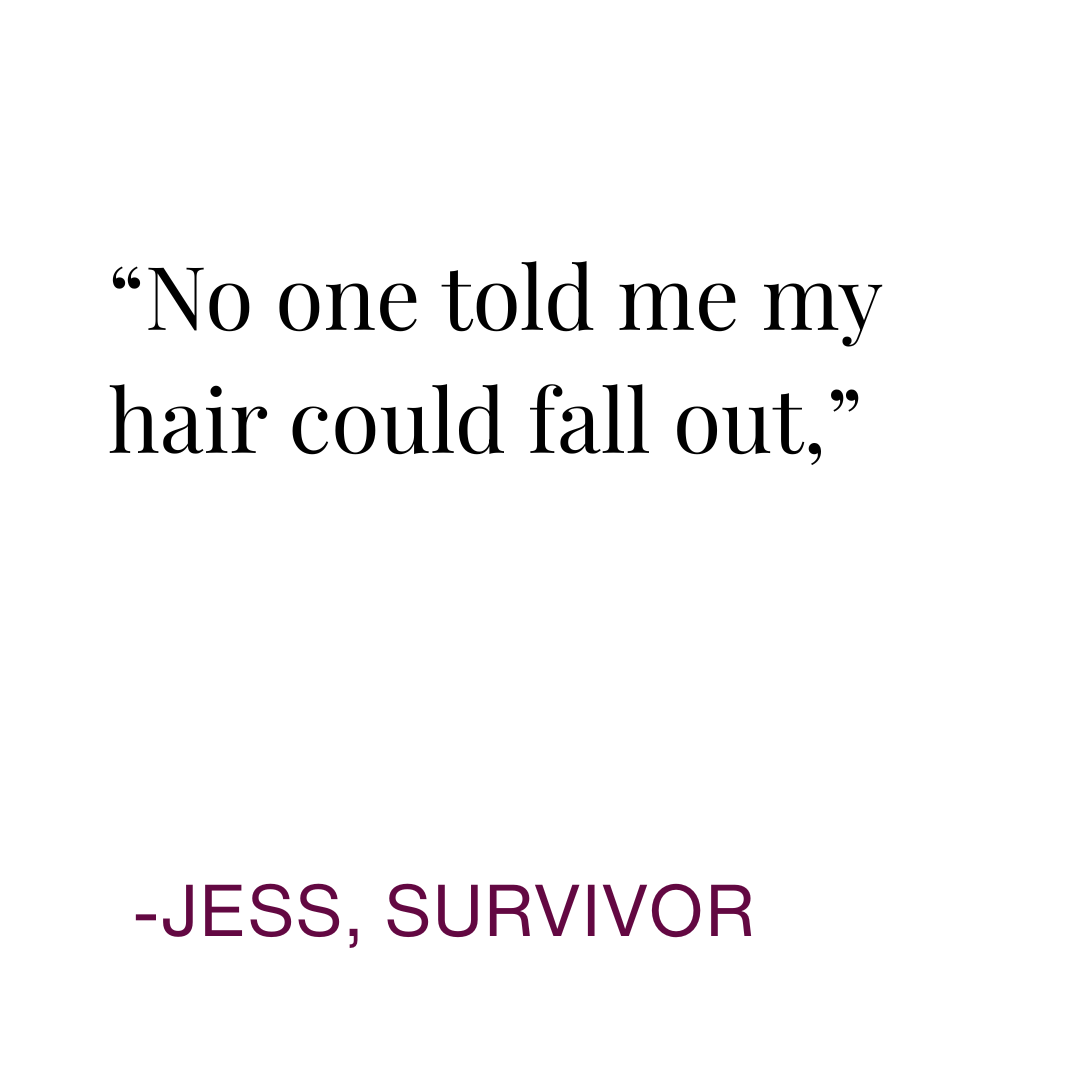
Quote in black and purple text reads: 'No one told me my hair could fall out,' -Jess, survivor.
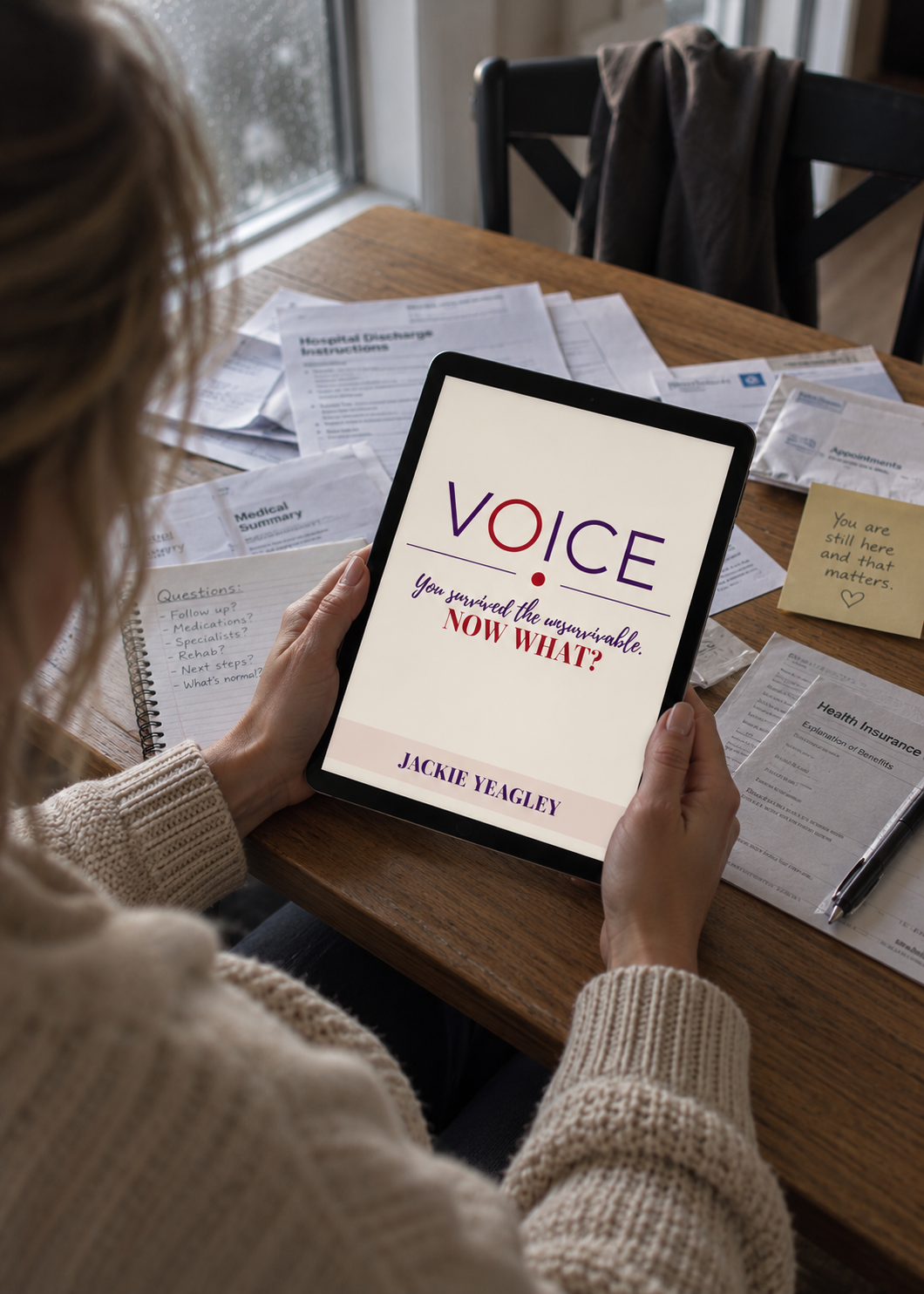
Woman sitting at a wooden table holding a tablet with the book title 'Voice: You survived the unthinkable. Now what?' by Jackie Yeagley, surrounded by medical documents, notes, and papers.

A GUIDE FOR SURVIVORS

When you don’t know where to start, start with your VOICE.

A practical framework to help you navigate the questions, uncertainty, connection, and advocacy that can come after sepsis.